A chef’s perspective on bold global flavor, thoughtful wellness, and lighter luxury at 40,000 feet
Private aviation dining is moving into a more expressive and disciplined era. From a chef’s perspective, luxury in 2027 will not be measured by how much is placed on the plate, but by how precisely every element is chosen, prepared, packed, and finished. The best menus will respect the passenger’s preferences, the character of the journey, and the realities of a compact galley while still delivering the aroma, texture, balance, and sense of occasion expected from a fine restaurant.
1. Personalized Wellness Becomes the New Standard
Our guests increasingly want food that helps them arrive feeling refreshed rather than overfed. In 2027, a chef’s brief will go well beyond vegetarian, gluten-free, or low-sodium. We will cook with a clearer understanding of protein goals, hydration, portion size, allergens, cultural preferences, and the timing of the flight. A composed high-protein breakfast, a fiber-rich grain bowl, or a clean-label snack can be every bit as luxurious as a richer dish when the ingredients are excellent and the seasoning is exact.
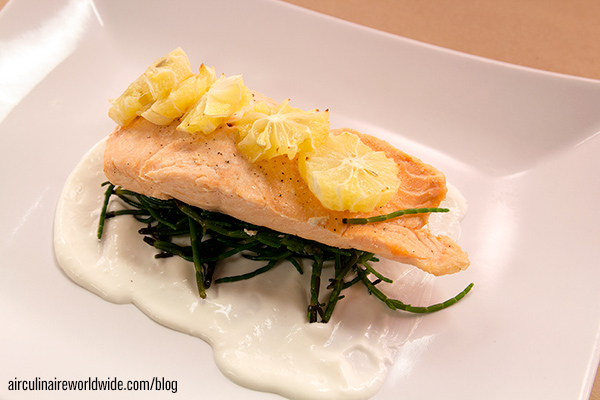
The key is choice without clutter. I prefer to build a polished central dish, then give the passenger control through beautifully prepared sauces, garnishes, and sides. A simply grilled fish might arrive with lemon-dressed greens, a spoonful of ancient grains, a bright herb sauce, and a toasted garnish—each component purposeful, clearly identified, and ready to add acidity, heat, or crunch.
2. Berbere and Dukkah Lead a New Wave of Global Flavor
In 2027, spice will do much of the work once assigned to heavy sauces. A well-built blend brings depth, perfume, color, and a clear sense of place without weighing down the palate. Two ingredients I expect to see more often in private aviation kitchens are berbere and dukkah.
Berbere, rooted in Ethiopian and Eritrean cooking, offers far more than heat. Its chiles and aromatic spices develop a warm, rounded flavor that works beautifully with roasted chicken, salmon, lentils, carrots, sweet potatoes, and tomato. For the cabin, I would brush it onto chicken, roast until caramelized, and serve it with turmeric couscous, charred vegetables, and cool lemon yogurt on the side. That contrast is what makes the plate sing.
Dukkah, the Egyptian mixture of toasted nuts, seeds, and spices, gives us something equally valuable at altitude: crunch. I use it to finish labneh, avocado, eggs, roasted vegetables, salads, or warm flatbread with good olive oil. On an aircraft, it should travel separately and be added at the last moment, so the nuts stay crisp and the guest can decide how much texture and spice to bring to the dish.
This is not about adding unfamiliar ingredients for effect. It is about composing contrast: warm berbere against cooling yogurt, soft cheese beneath crisp dukkah, and recognizable ingredients sharpened by a new accent. The preparation remains practical, but the eating experience feels generous and distinctive.
3. Filipino Cuisine Gains Global Altitude
Filipino cooking brings the kind of balance chefs love: savory, sour, sweet, and aromatic notes working together in the same bite. Calamansi, coconut, ginger, garlic, vinegar, and soy create food with character, yet the flavors remain welcoming to an international palate. Marinades, braises, grilled proteins, rice dishes, and bright condiments also travel well when they are prepared with restraint and reheated carefully.
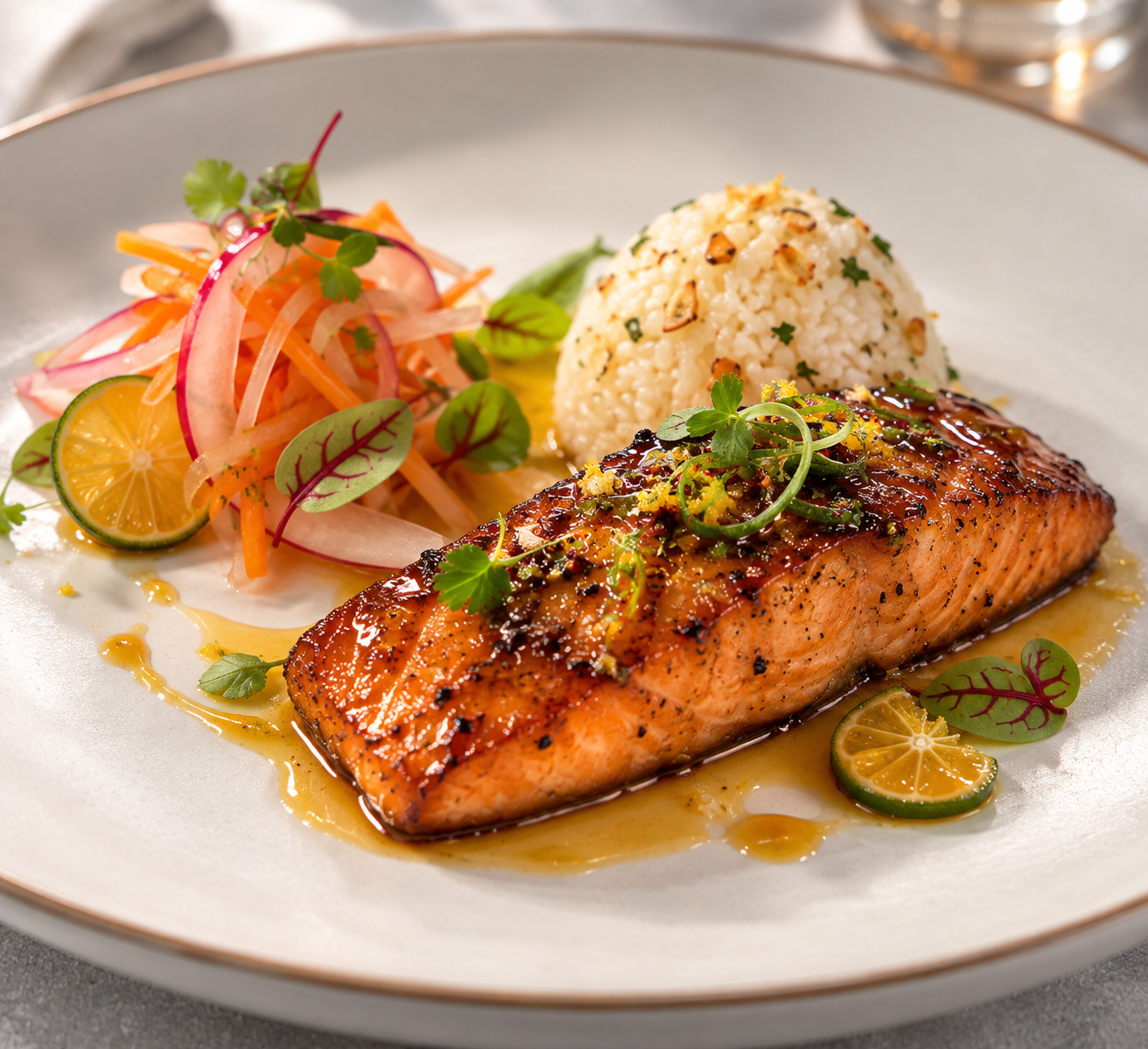
I can imagine a polished chicken adobo with fragrant garlic rice and crisp pickled vegetables, calamansi-glazed salmon with a clean citrus finish, delicate vegetable lumpia with a light dipping sauce, or pancit presented as a composed small plate rather than a heavy entrée. Ube brings natural color and gentle sweetness to pastry, while mango and pineapple give dessert a fresh tropical lift. As always, sauces and crisp garnishes should be packed separately and added just before service.
4. Fermented Foods Add Depth and Brightness
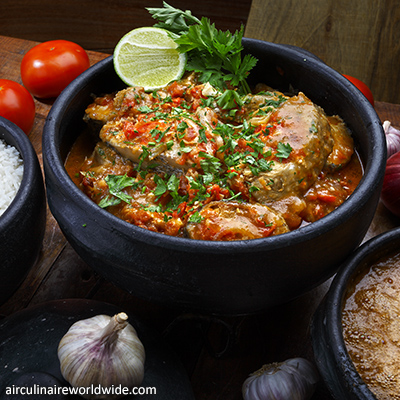
Fermentation will be one of our most effective flavor tools in 2027. Miso, kimchi, gochujang, preserved lemon, cultured dairy, pickled vegetables, and fermented chile sauces deliver umami, acidity, and length without the heaviness of a reduced sauce. In the dry cabin environment, that brightness matters: it wakes up the palate and gives a dish definition.
The trick is control. A spoonful of miso can deepen a glaze; kimchi can bring heat and acidity to a small plate; cultured yogurt can soften spice; and preserved lemon can turn roasted vegetables into something vivid. Filipino atchara (pickled green papya) offers the same useful tension beside a rich protein. Strong aromas must be handled with care, sealed properly, and served in measured portions so they enhance the meal rather than dominate the cabin.
5. Small Plates Deliver Big Impact
As a chef from Spanish heritage not every journey calls for a formal multi-course meal. Small plates, mezze boxes, bento-style presentations, and premium snack flights allow guests to eat at their own pace and explore several flavors without feeling weighed down. For the culinary team, these formats also create a natural rhythm of service and make it easier to protect temperature, texture, and presentation.
A good flight box might include dukkah-finished feta and cucumber, berbere-spiced nuts, citrus-marinated olives, a miniature vegetable tartlet, and seasonal fruit with cultured cream. Each bite should have its own identity, yet the collection should eat like a complete menu—fresh, varied, and easy for the crew to present elegantly.
6. Texture and Aroma Redefine Cabin Luxury
At altitude, food needs contrast to remain expressive. I build that contrast deliberately: a crisp garnish against a silky purée, cultured cream beside warm spice, pickled vegetables cutting through a rich braise, or citrus lifting a roasted ingredient. Packaging is part of the recipe because it must protect every fragile element until the crew is ready to finish the plate.
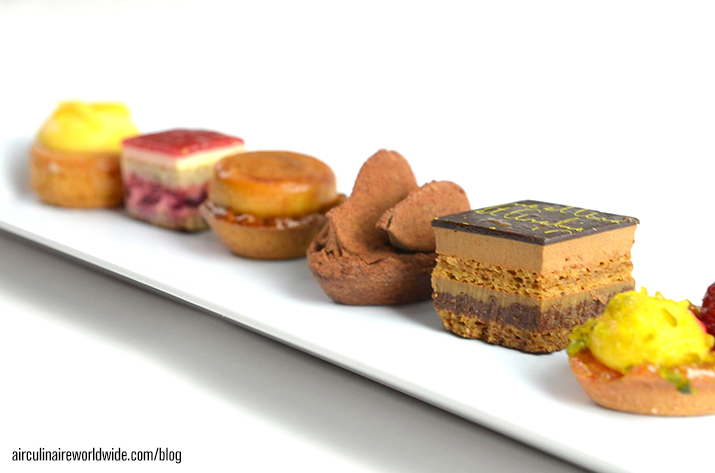
The most successful cabin dishes are built in layers: a smooth soup finished with toasted seeds, a tender grain bowl punctuated by crisp vegetables, or dark chocolate balanced with tart fruit and a fine sesame crunch. When every texture has a purpose, the dish still feels complete even after transport and reheating.
7. Provenance, Seasonality, and Smarter Sustainability
Responsible sourcing is becoming part of the luxury conversation. In 2027, I expect stronger emphasis on seasonal ingredients near the departure point, dependable artisan suppliers, thoughtful ecofriendly packaging, and more accurate ordering based on passenger history. Purchasing well and portioning intelligently allows us to reduce waste without making hospitality feel restricted.
A menu should tell the story of its ingredients without becoming a lecture. A brief mention of a regional cheese, local citrus, or artisan bakery is enough to give the guest a sense of place. For a chef, genuine provenance is not decoration; it is the foundation of flavor and consistency. It also makes the flight fun for the passenger in enhancing the experience.
8. Premium Beverages Move Beyond the Traditional Bar
The beverage program deserves the same care as the food. Alongside fine wine and spirits, I expect to see sparkling teas, cold infusions, botanical drinks, and sophisticated zero-proof pairings become standard. The pairing should follow the same principles as a sauce: acidity to refresh, aroma to connect, and just enough sweetness to round the edges. A tart hibiscus spritz works beautifully with berbere-spiced poultry, while citrus-mint sparkling tea complements a dukkah-finished mezze plate.
Healthy mocktails should never feel like the lesser choice. Fresh citrus, cucumber, ginger, mint, hibiscus, berries, unsweetened tea, coconut water, and fine sparkling water give us a broad palette without relying on alcohol or excess sugar. A ginger-lime spritz, hibiscus-berry cooler, or cucumber-mint tonic can be mixed with the same attention to balance, temperature, garnish, and glassware as any classic cocktail.
9. Technology Works Behind the Scenes
Technology should stay in the background quietly helping the culinary and flight teams deliver a more personal service. Better preference profiles can help the caterer what a passenger enjoyed, which ingredients to avoid, how much to prepare, how a component should be finished, and when the guest prefers to dine. The data may be precise, but the hospitality must still feel intuitive and human.
Clear labeling, exact reheating instructions, component maps, and disciplined allergen controls are part of the craft. They give the flight crew the confidence to reproduce the chef’s intent and ensure that the final plate tastes and looks as it should.
A 2027 Cabin Menu in Practice
Welcome mocktail: Chilled cucumber, fresh lime, and mint cooler with fine bubbles and no added sugar, accompanied by warm berbere-spiced almonds.
Starter: Roasted carrots and citrus with whipped cultured feta, preserved-lemon dressing, tender herbs, and dukkah added just before service.
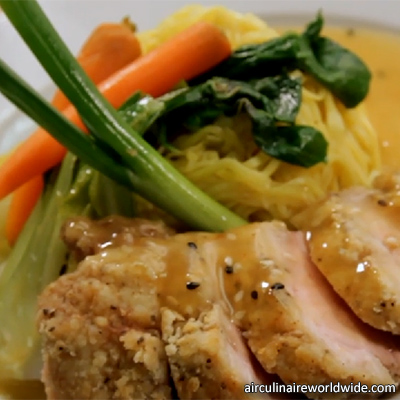
Main: Berbere-glazed chicken or roasted cauliflower with turmeric couscous, charred vegetables, and cool lemon yogurt; or calamansi-glazed salmon with fragrant garlic rice and crisp atchara.
Dessert: Dark chocolate chia cream with sour cherry and a delicate sesame crisp.
Late-flight snack: Seasonal fruit, an artisan cheese selection, seeded crackers, and chilled sparkling tea.
The Outlook
For chefs working in private aviation, 2027 will be about balancing imagination with absolute consistency. We will cook with bolder spice, brighter acidity, cleaner portions, stronger provenance, and a more precise understanding of the individual traveler. Berbere, dukkah, fermented ingredients, and the savory-sour character of Filipino cuisine point us in the right direction: flavors with heritage, personality, and purpose. The challenge is to translate them into food that travels beautifully, finishes effortlessly, and still gives the guest the pleasure of a plate prepared just for them. As always stay safe and safe travels
Chef John Detloff